
Fastener and Hardware Assembly Services
Component Packaging joins or prepares customer-owned fasteners, hardware, and supported industrial components according to an agreed specification. Projects may include nut-and-bolt assembly, larger-component work, and master kits that require repeatable hands-on processing at volume.
When assembly would consume too much labor, floor space, or supervision inside your operation, Component Packaging provides an experienced outside team to keep the work moving.
What is the difference between assembly and kitting?
Kitting groups specified components and quantities into one package. Assembly joins, fastens, or prepares components into an agreed configuration. A project can require either service, or assembly followed by kitting and final packaging.
What assembly work can Component Packaging perform?
Supported work may include:
- Nut-and-bolt assembly
- Preparation of larger or bulky components
- Master kits that combine assembled and loose components
- Repeatable hand work that fits the team’s equipment, facility, and quality approach
Because assembly requirements vary widely, the team reviews the parts, instructions, tools, output, and risk before confirming fit.

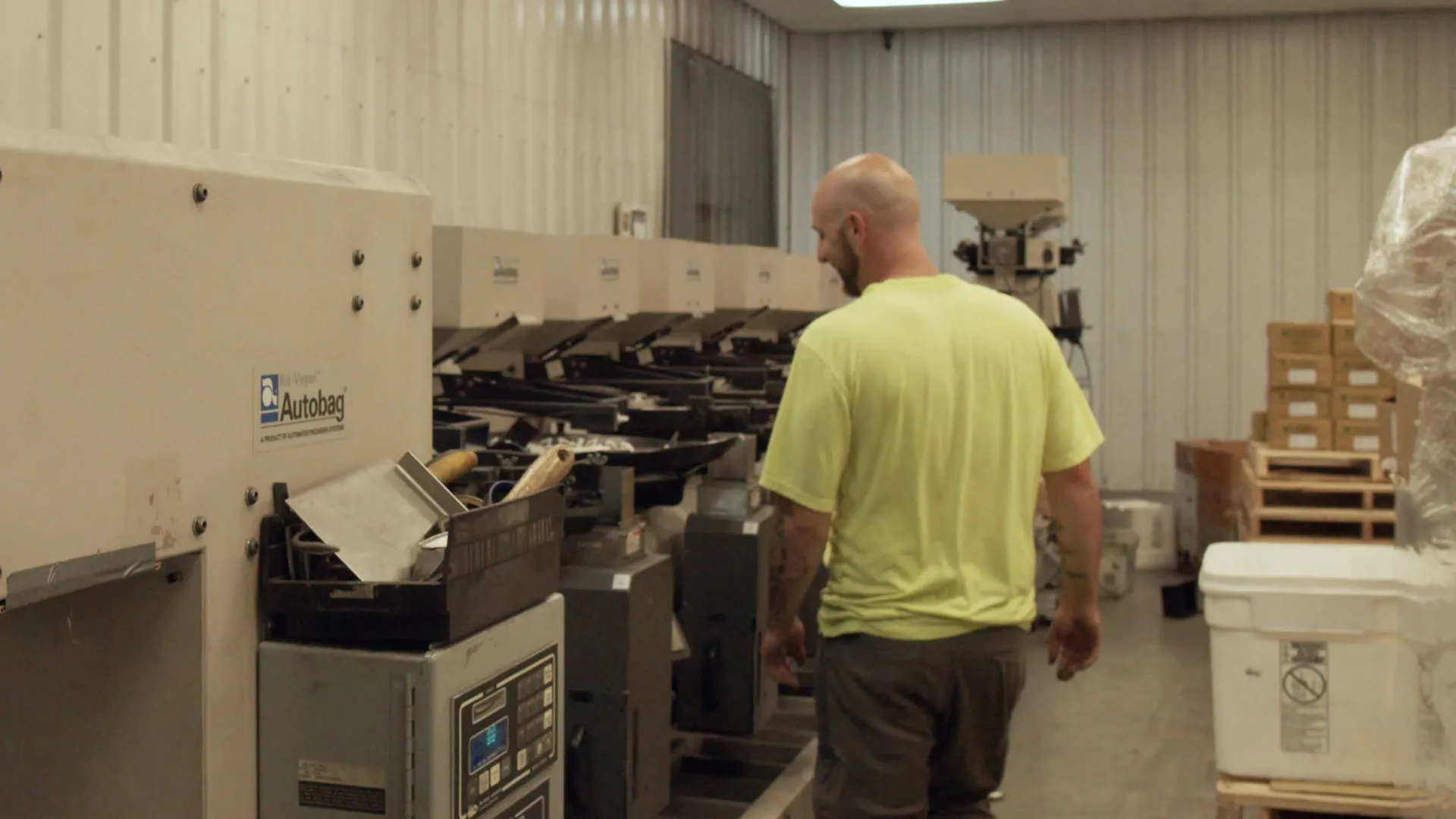
A machine is only part of an assembly operation
Equipment can support a repeatable process, but large assembly projects still need people to receive and stage components, perform the work, check the finished configuration, manage exceptions, and prepare completed inventory for its next handoff.
Component Packaging combines hands-on labor, facility space, practical supervision, and project-specific checks. That capacity can help when your internal team is already committed or when a labor-heavy project does not justify taking over warehouse space and resources.
Overflow capacity for distributors with packaging operations
An established packaging department can still face a project that is too large, too manual, too disruptive, or too temporary to fit comfortably into its normal schedule. Component Packaging can provide outside assembly capacity while the distributor keeps its people and equipment focused on core programs.
The project does not need to be unusual to create a bottleneck. Sometimes the challenge is performing one repeatable task accurately across a very large quantity.
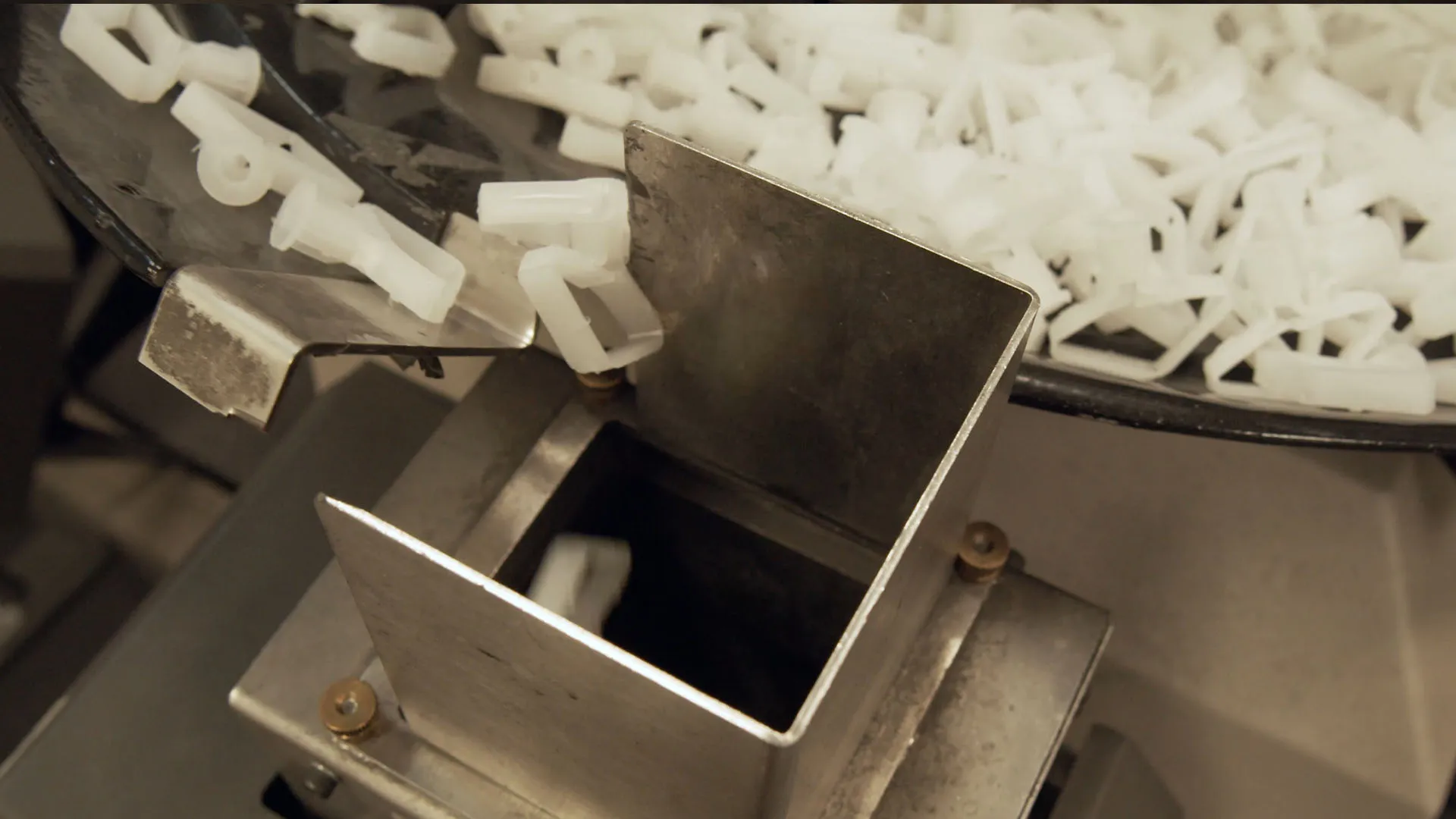
For one project, the Component Packaging team placed two washers and spun one nut onto each customer-owned bolt. The team completed more than 1.5 million assemblies.
What do you need to provide?
Start with the customer-owned components and a clear picture of the accepted finished output. Helpful materials may include part numbers, quantities, drawings, photos, step-by-step instructions, samples, packaging requirements, labels, expected volume, and timing.
If the specification is still developing, contact the team early. The project conversation can expose missing decisions before inventory moves.
How is multi-stage work kept on track?
The project scope should define the sequence of work, accepted configuration, in-process checkpoints where needed, final check, exception path, and finished packaging. Component Packaging confirms the supported approach for each project rather than applying one universal process to every assembly.
What will arrive finished?
Define the finish line before work starts. That may include assembled components, master kits, protective packaging, labels, boxes, or preparation for the next shipping handoff. An approved sample, image, or drawing can help align expectations.

Is your assembly work consuming the wrong resource?
Move repeatable fastener and hardware assembly out of an already-busy warehouse or production flow. Bring us the project that would consume too much labor, space, equipment time, or management attention inside your operation. Tell us about the parts, the required finished configuration, and the volume. We will review whether the work fits our team and facility.
