
Custom Fastener Kitting Services
Fastener kitting combines specified components and quantities into one ready-to-use package. Component Packaging processes customer-owned fasteners and hardware using automated or hand-packaging methods selected for the parts, quantities, labels, and finished output.
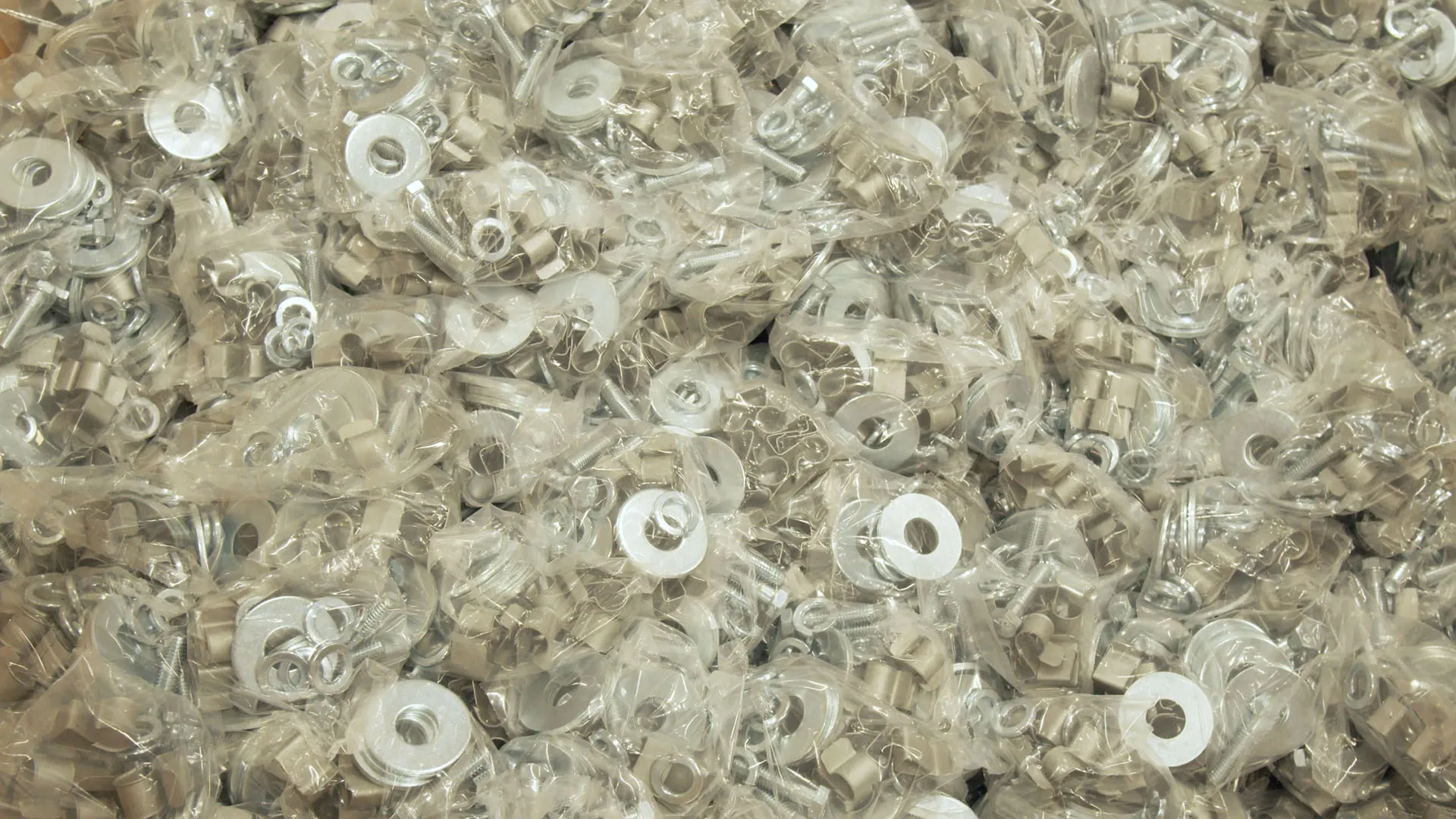
What can go into a fastener or hardware kit?
Projects may combine nuts, bolts, screws, washers, and other supported hardware or industrial components. Kits can range from repeatable part combinations to work that needs a more hands-on approach because of component shape, size, quantity, or presentation.
Start by defining what must be in each kit and what the recipient needs to see when it arrives.
What specifications help define the project?
Useful inputs include:
- Part numbers and component descriptions
- Quantity of each component per kit
- Total kit quantity or expected run volume
- Packaging format and size, if defined
- Label content and placement
- Barcode requirements, if applicable
- Pack-out, boxing, pallet, or shipping requirements
- Samples, photos, drawings, or approved finished examples
- Required timing and inventory locations
If some details are missing, send what you have. Component Packaging can identify the questions that must be answered before work begins.

Automated kitting or hand packaging?
The best method depends on the components and the required output. Automated equipment can support repeatable packaging work at volume. Hand packaging can accommodate parts, combinations, and presentation needs that do not fit a standard automated run. Some projects benefit from both.
Component Packaging reviews the project before recommending an approach. The selected method must produce the agreed kit in a practical, repeatable way.

How are kit requirements checked?
Each project begins with agreed component, quantity, packaging, label, and finished-output requirements. The specific verification method depends on the parts and project. Bring any barcode, count, weight, identity, or exception-handling requirements into scoping so the team can confirm the supported controls before acceptance.
Should you outsource or buy a kitting machine?
A machine purchase is more than an equipment price. It also brings floor-space needs, operators, training, maintenance, changeovers, troubleshooting, material flow, quality checks, and the need to keep the equipment productively loaded.
Buying may make sense when demand is stable, the process is well understood, and the operation is ready to own those responsibilities. Outsourcing may be the better choice when volume changes, the project is unusual, internal people are already constrained, or the work does not justify a permanent operation.
What does the finished handoff include?
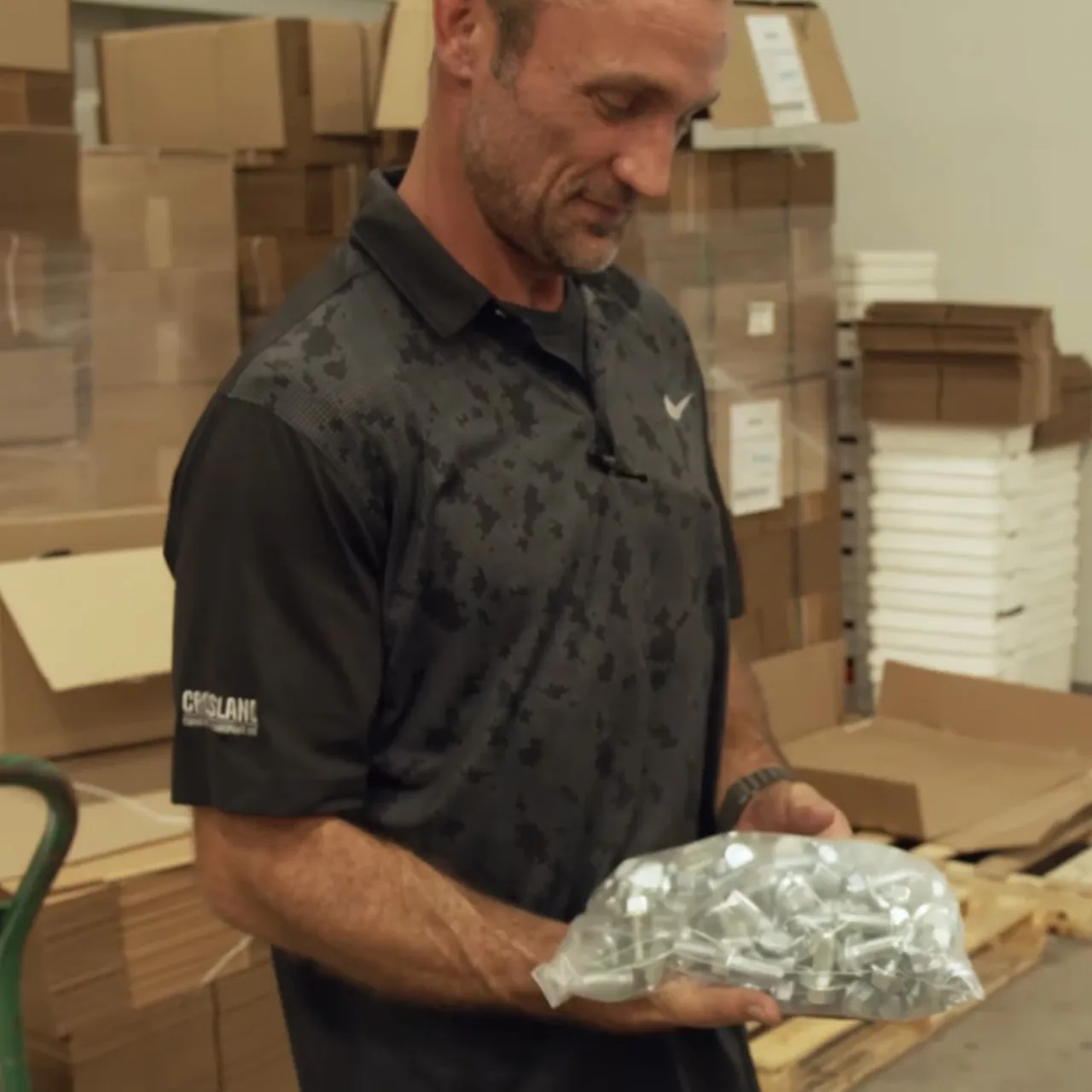
The finished handoff is defined during scoping. It may include completed kits, agreed labels, specified boxing or pallet preparation, and delivery to the next destination. Clarifying that output early helps prevent surprises at the end of the run.

Turn bulk parts into customer-ready kits
Tell us what belongs in each kit, how many you need, and where the current process is getting stuck. We will review the parts, requirements, volume, and timing with you.
